Case Study · Expansion Tank Leak · Pensacola, FL
The tank failed.
The damage didn't.
The condo sat empty between owners, with no one there to catch a leak — but Halo did. As part of the building-wide system, it detected the moisture, shut off the water, and stopped the problem before it spread.
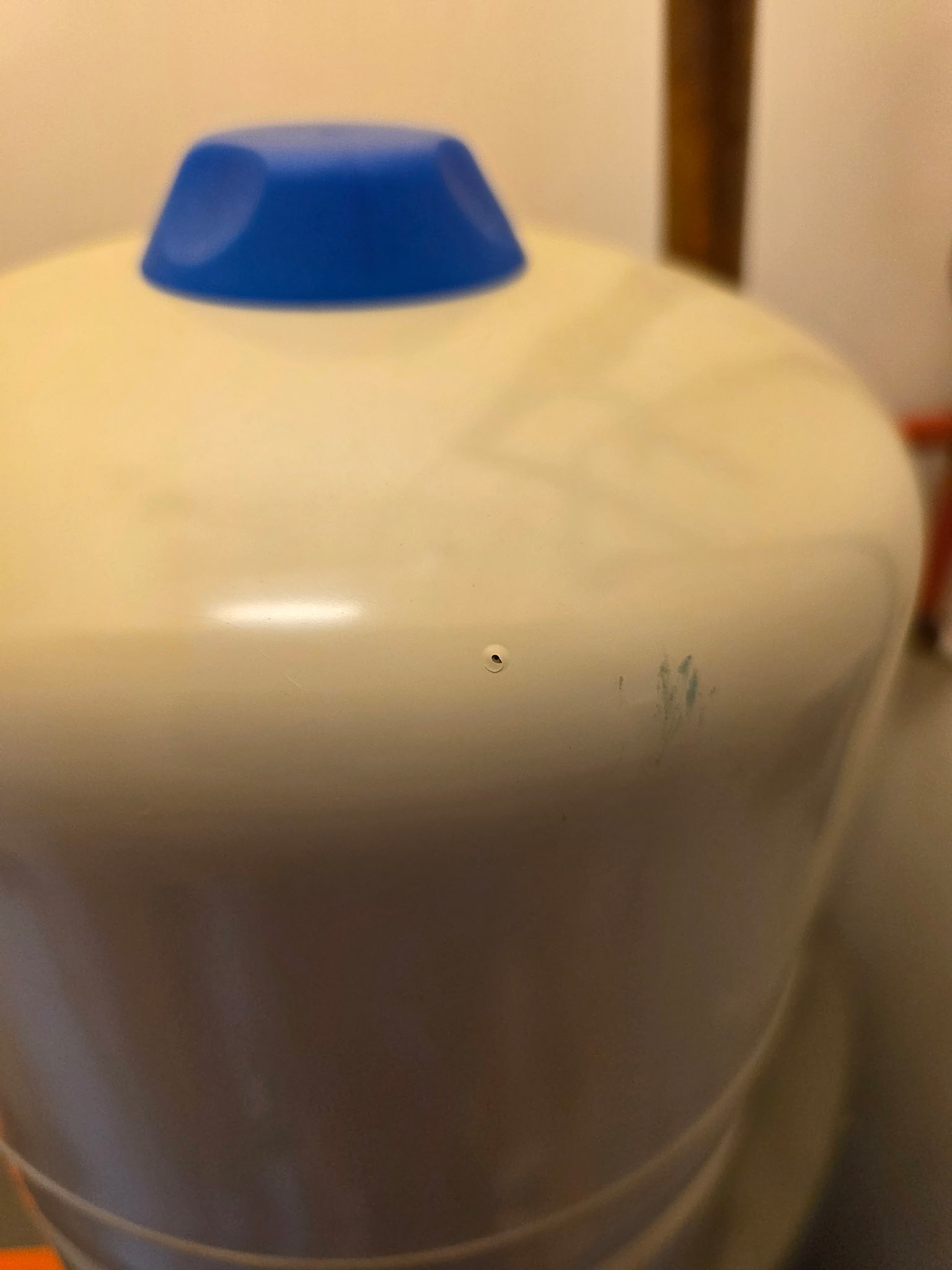
A pinhole barely 0.6 mm wide — caught before it became a loss.
Protect your communityHow Halo works
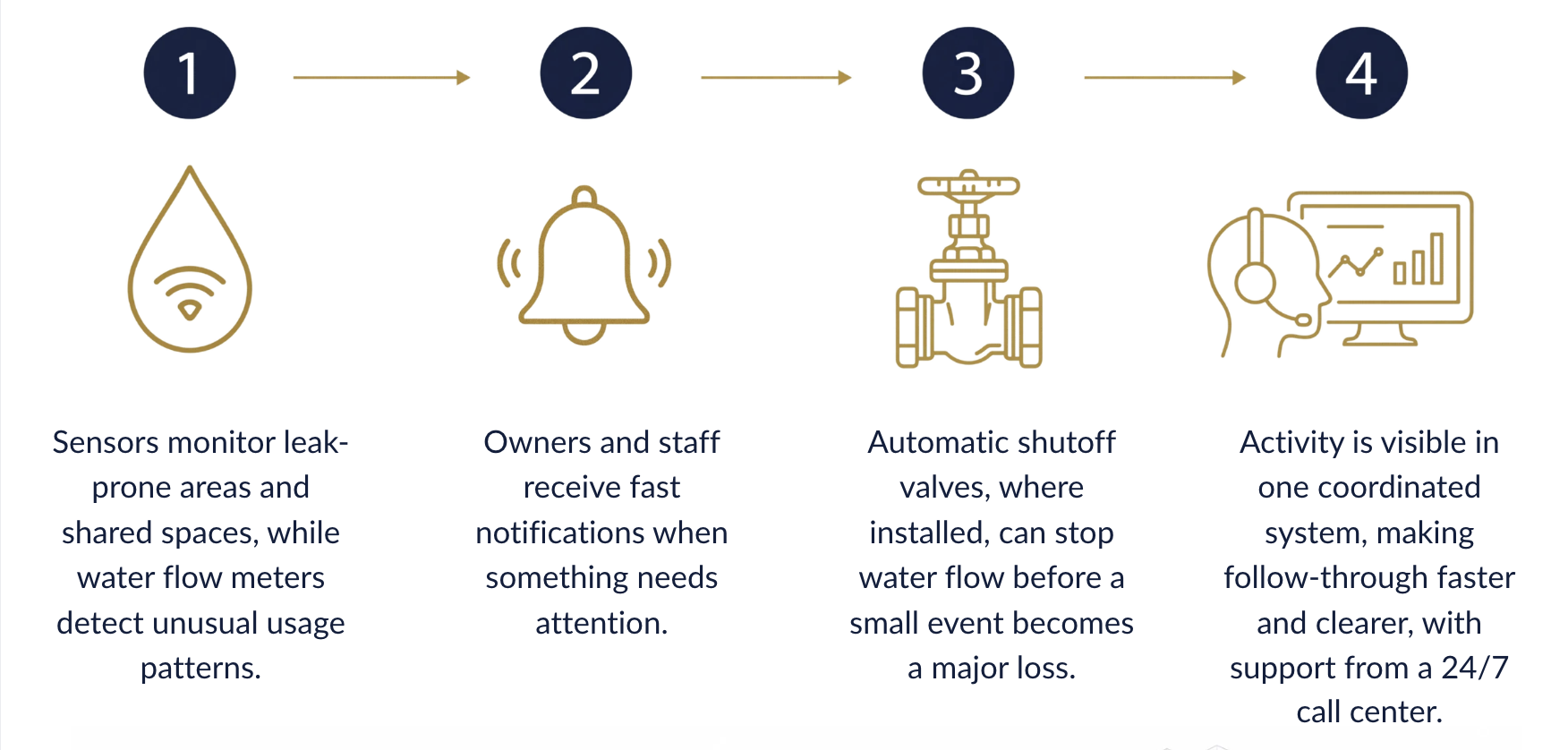
One building-wide system, always on.
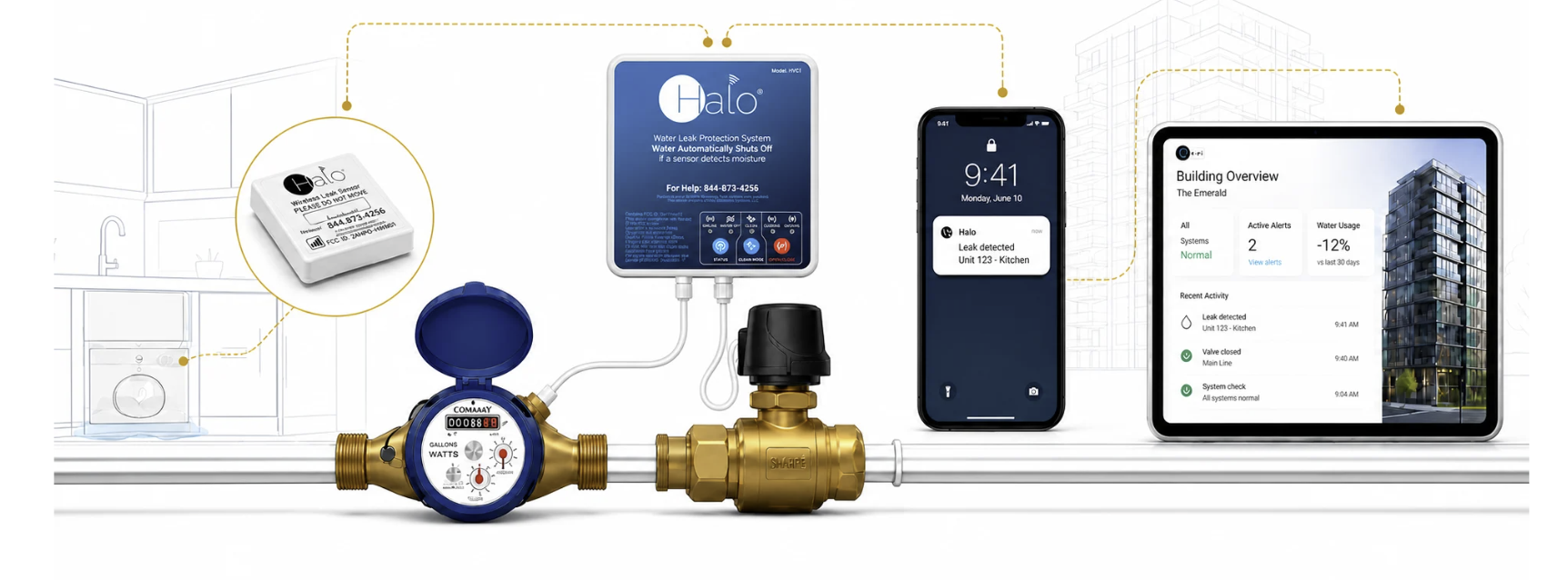
Halo connects sensors, water-flow meters, and automatic shut-off valves into a single coordinated system. It watches leak-prone areas around the clock, alerts owners and staff the moment something's wrong, and can cut the water before a small event becomes a major loss.
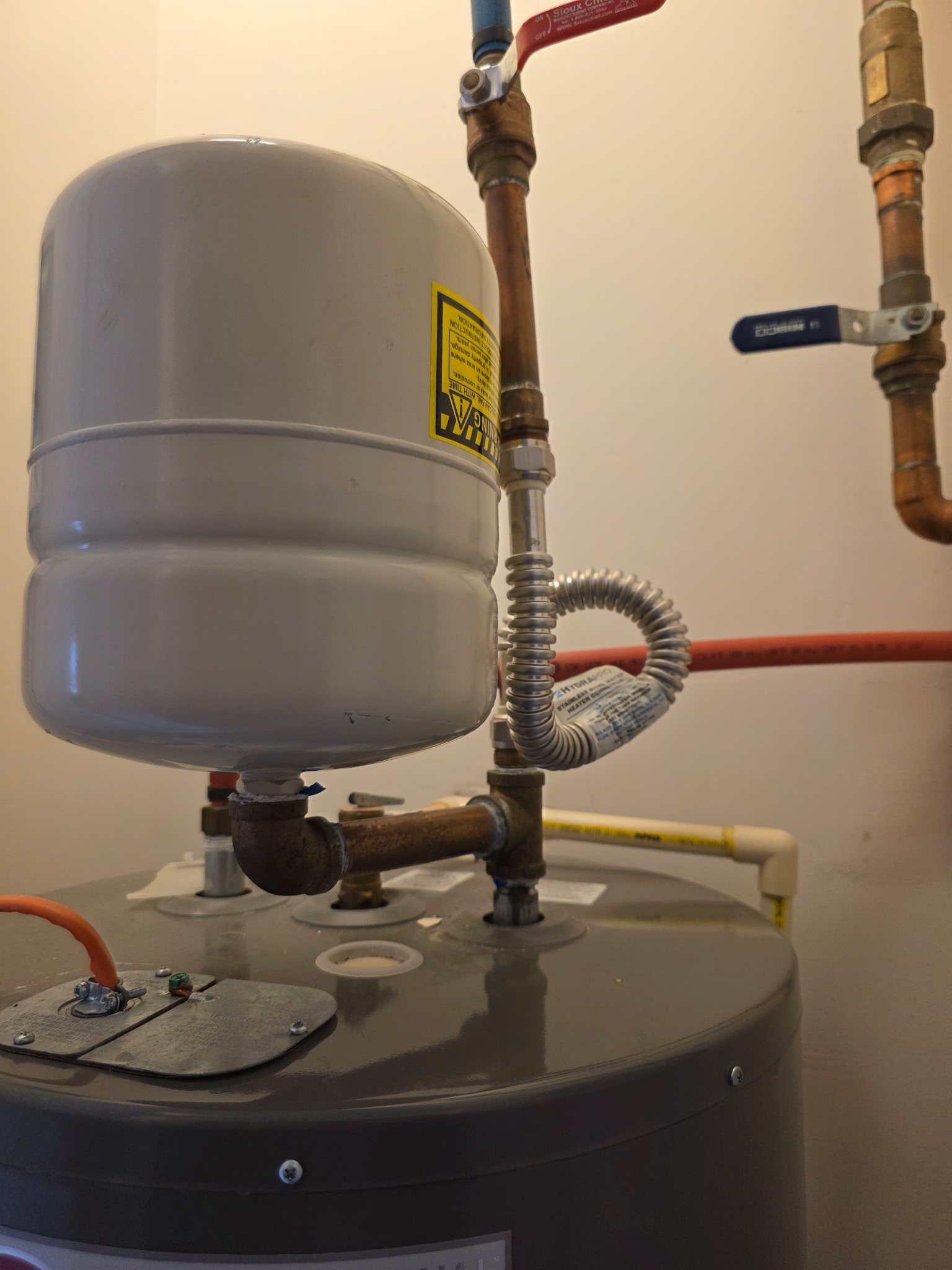
What happened in Pensacola.
Photographs from the mechanical closet
How Halo protects.
Detects moisture at the source, before visible damage occurs.
Shuts off water automatically to stop leaks in their tracks.
Protects unoccupied units just as well as occupied ones.
Helps prevent costly building-wide damage and disruptions.
FAQ
Halo is a building-managed leak detection and automatic shutoff system designed for condominiums and high-rise residential properties. It combines moisture sensors, flow meters, automatic shutoff valves, alerts, and shared visibility so owners and property teams can act sooner together.
Moisture sensors monitor leak-prone areas while flow meters watch for unusual usage patterns. When water is detected, owners and staff receive notifications, and where automatic shutoff valves are installed, the system closes the valve to that unit before a small event becomes a major loss. Every event is documented in one coordinated system.
No. Halo operates on a private long-range wireless network installed and configured by Halo technicians. It does not depend on owner Wi-Fi, resident cellular coverage, or owner-managed accounts, so coverage stays consistent across the whole building.
No. With per-unit shutoff valves, Halo closes the water supply to the specific unit where the leak is detected, isolating the damage without disrupting water service to the rest of the building.
Sensors are placed at approved water-risk locations such as kitchen sinks, dishwashers, refrigerators and ice makers, bathroom sinks and toilets, laundry areas, HVAC and mechanical closets, water heater pans, and wet bars.
Yes. Halo monitors shared and mechanical spaces in addition to residential units, so the building has one consistent standard rather than owner-by-owner coverage with gaps.
Protect your community.
Meet with our experts to see how one building-wide standard helps your community detect earlier and shut off faster.
Prefer to book a time directly?
Grab a 30-minute slot with a Halo water protection expert.