Leak protection built for Southwest Florida's seasonal condos.

Halo detected a leak in Unit 803, water heater pan, and shut off the water.
"Mr. Alvarez? This is the management office. We need you to fly back. The unit above yours has been leaking since sometime in July."
Building-wide coverage
Every unit, every floor, common areas and mechanical rooms.
24/7 phone support
Owners, guests, and staff all call one number: 844-873-4256.
Real-time alerts
The right person gets the alert with the exact unit, room, and placement.
Wireless and long-lasting
Up to 10-year sensor battery life. Retrofit-friendly, no resident Wi-Fi needed.
Installed and serviced in Florida condominium communities since 2015



Seasonal vacancy, April–November
Owners leave in spring. A supply line that fails in June has all summer to destroy three floors before anyone opens the door.
Halo monitors every unit year-round and closes the valve the moment water touches the floor — whether the unit is occupied or empty until November.
Hurricane season on the Gulf coast
Walking a tower to close hundreds of valves before landfall isn't realistic — after evacuation, nobody is left to do it.
Management closes water to vacant units remotely and confirms valve status for the entire building from one screen, from anywhere.
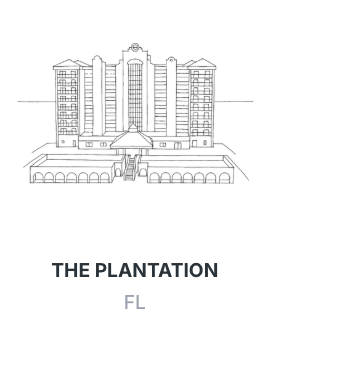
Aging towers like The Plantation, Marco Island
Buildings from the early 90s are past the design life of original copper and CPVC supply lines. Repiping is disruptive and expensive — and it's not the only option.
Wireless retrofit — 10-year sensor batteries, no resident Wi-Fi, no repiping required first. Halo installs around the existing plumbing without structural modifications.
For seasonal Gulf communities
Keep a seasonal unit protected after the owner leaves.
Naples, Fort Myers, Sarasota, Tampa, and the barrier-island communities around them have a distinct water-loss pattern: an owner leaves for months, an air-conditioning or supply-line problem starts, and the first person to see it may be a neighbor or a maintenance worker. By then, humidity and water can compound the repair.
Halo gives Southwest Florida managers a way to watch those units without waiting for a seasonal return. The portal surfaces sensor and valve health, remote shutoff makes pre-storm preparation practical, and the system keeps working through the quiet months without relying on an absent resident's Wi-Fi or phone.
Vacancy visibility
See whether sensors, hubs, and valves are healthy while units are closed.
Pre-storm control
Command valves remotely and verify status before a hurricane approaches.
Humidity awareness
Flag condensation and moisture buildup before a closed-up unit becomes a mold project.
Protection for seasonal communities
One portal for the months your owners are here—and the months they are not.
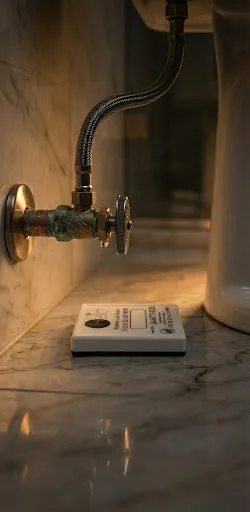
Detect and respond
Watch the places where HVAC condensation, water heaters, and supply lines can start trouble.
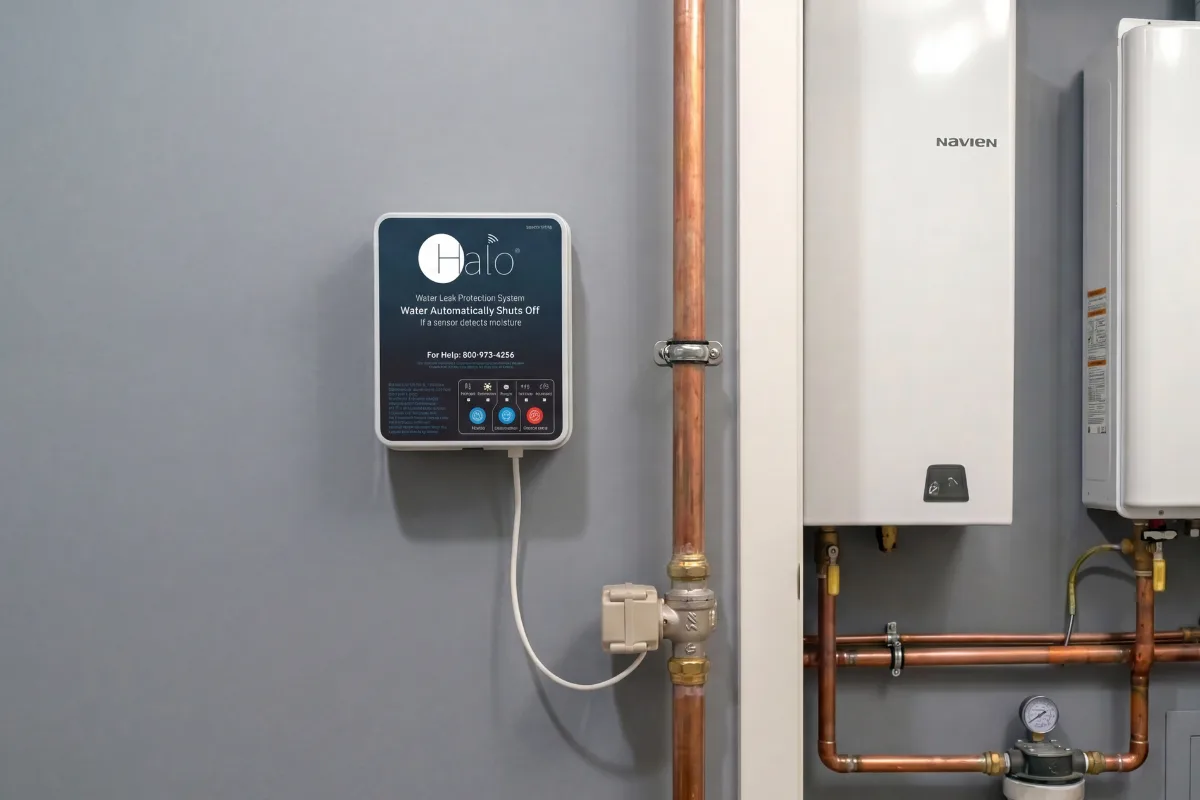
Instant action
Respond automatically to a leak or close vacant-unit water remotely before a storm.

Keep everyone informed
Keep owners, maintenance teams, and management aligned when a unit is far from home.
Halo adapts to fit the needs of your community

Move from hidden leaks to early, room-level response
Get a precise alert across every unit and floor the moment water appears, so your team responds faster and damage is contained before it spreads.
Faster response
Pinpoint the exact unit, room, and sensor in seconds
Automatic shutoff
Close the affected unit's supply line without waiting for staff
Audit-ready history
Every alert and status change is logged in the portal
Get protected in about a week
Install Halo network
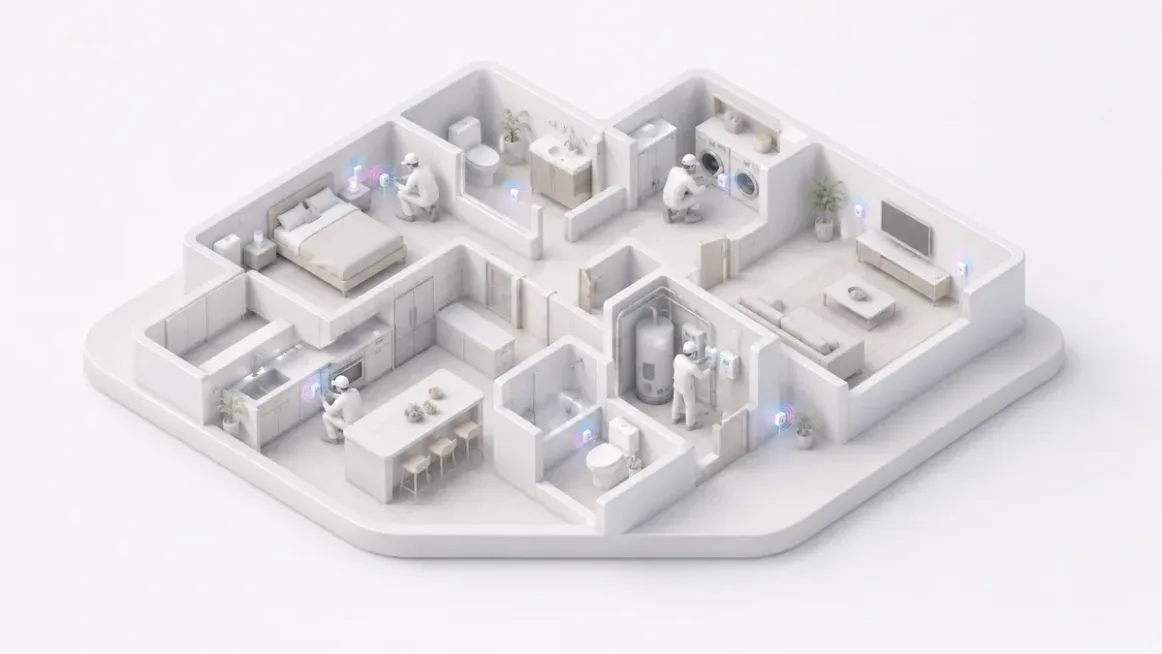
Technicians set up a long-range wireless network to connect Halo devices property-wide and install sensors in common areas.
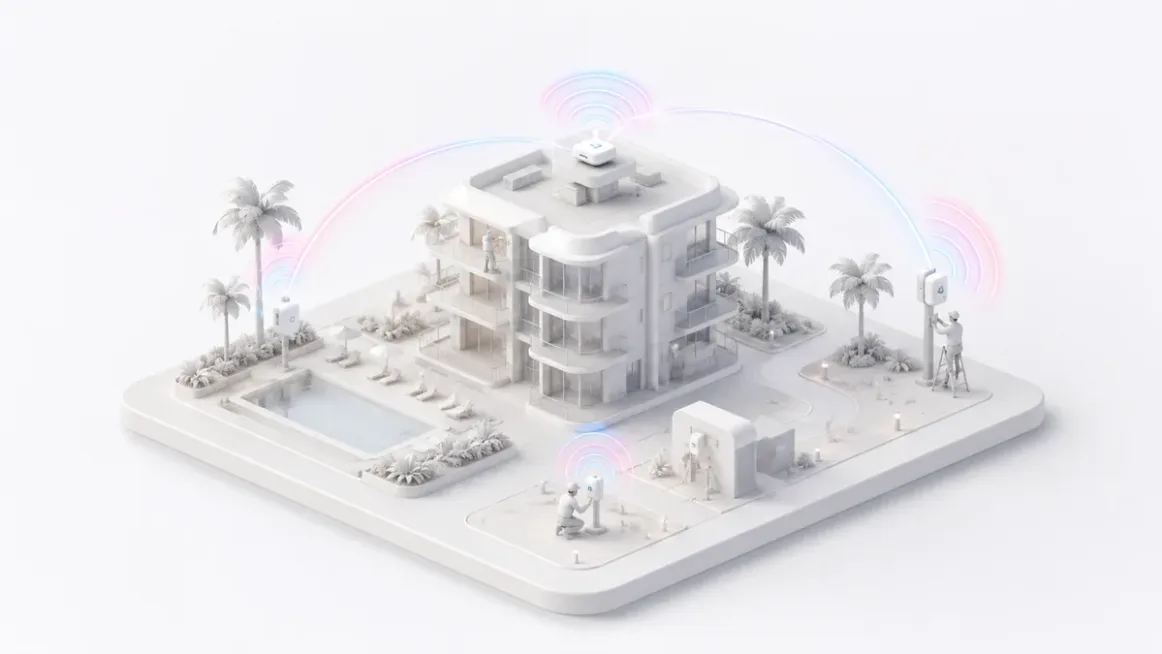
In-unit installation
Technicians visit each unit to install leak sensors and optional shut-off controls. Each visit typically takes 15–20 minutes, with teams completing about 20–30 units per day. Units that cannot be accessed are logged for follow-up.
System validation
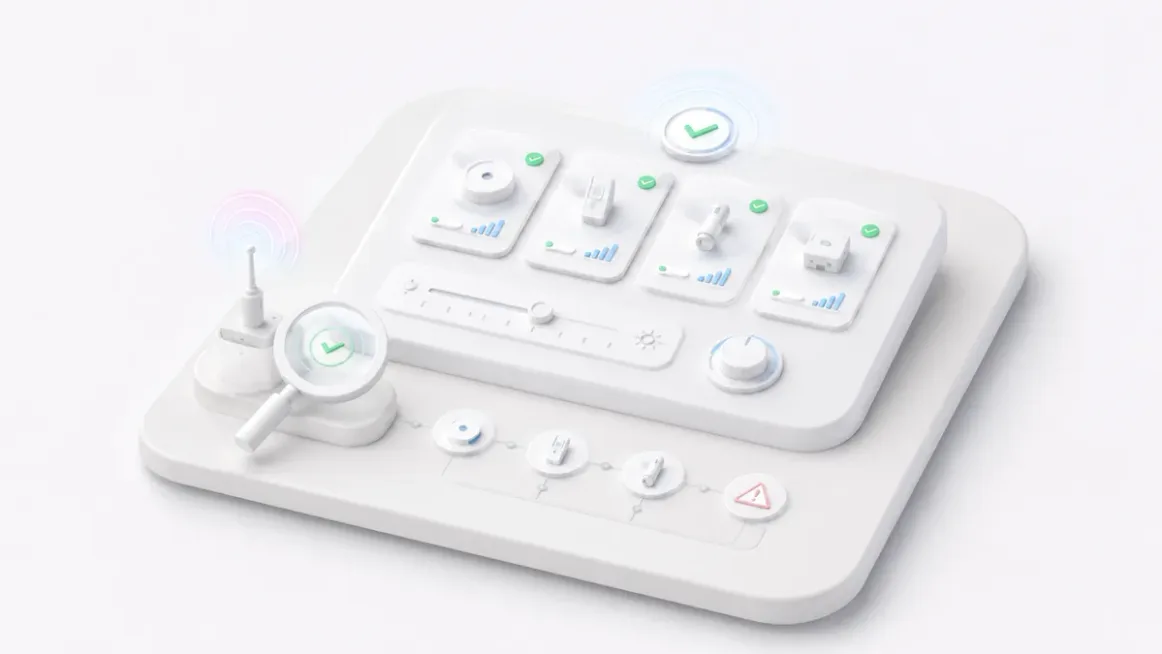
We confirm devices are checking in, adjust sensitivities, and resolve exceptions. We also catch up on any units missed earlier.
Plumbing
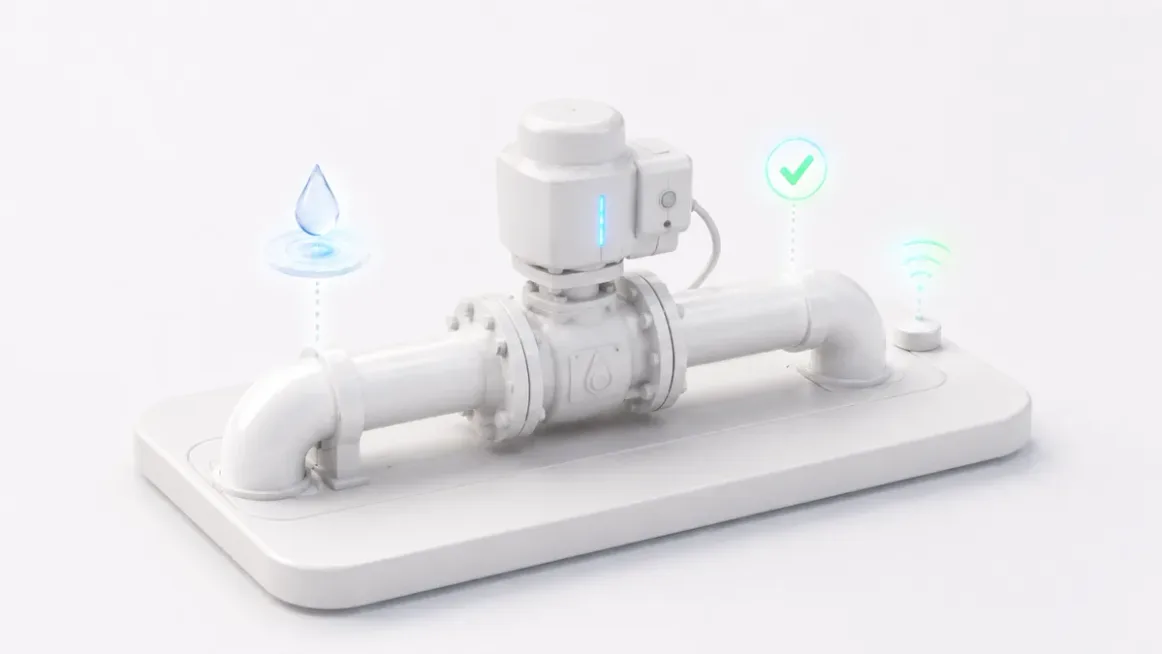
A plumber installs valve bodies while technicians verify signal quality across the property. We finish with staff training, a final walkthrough, and handoff to your team.
FAQ
What happens if a leak starts while we're up north for the summer?
Sensors detect the water immediately, the valve to the unit closes automatically, and staff and the owner are alerted with the exact unit and room — whether anyone is home or not.
Can the building shut off water before a hurricane?
Yes. Halo valves can be commanded remotely from the portal, so management can close water to vacant units before landfall and confirm valve status for the entire building from one screen.
How do we know vacant-unit sensors are still working?
The portal shows device health for every sensor, hub, and valve — online, offline, or low battery — so coverage gaps are flagged before they matter.
Does Halo help with humidity and mold risk?
Halo humidity sensors flag HVAC condensation problems and moisture buildup in closed-up units before they become remediation, with every reading logged in the building's history.