Leak protection built for South Florida high-rises.
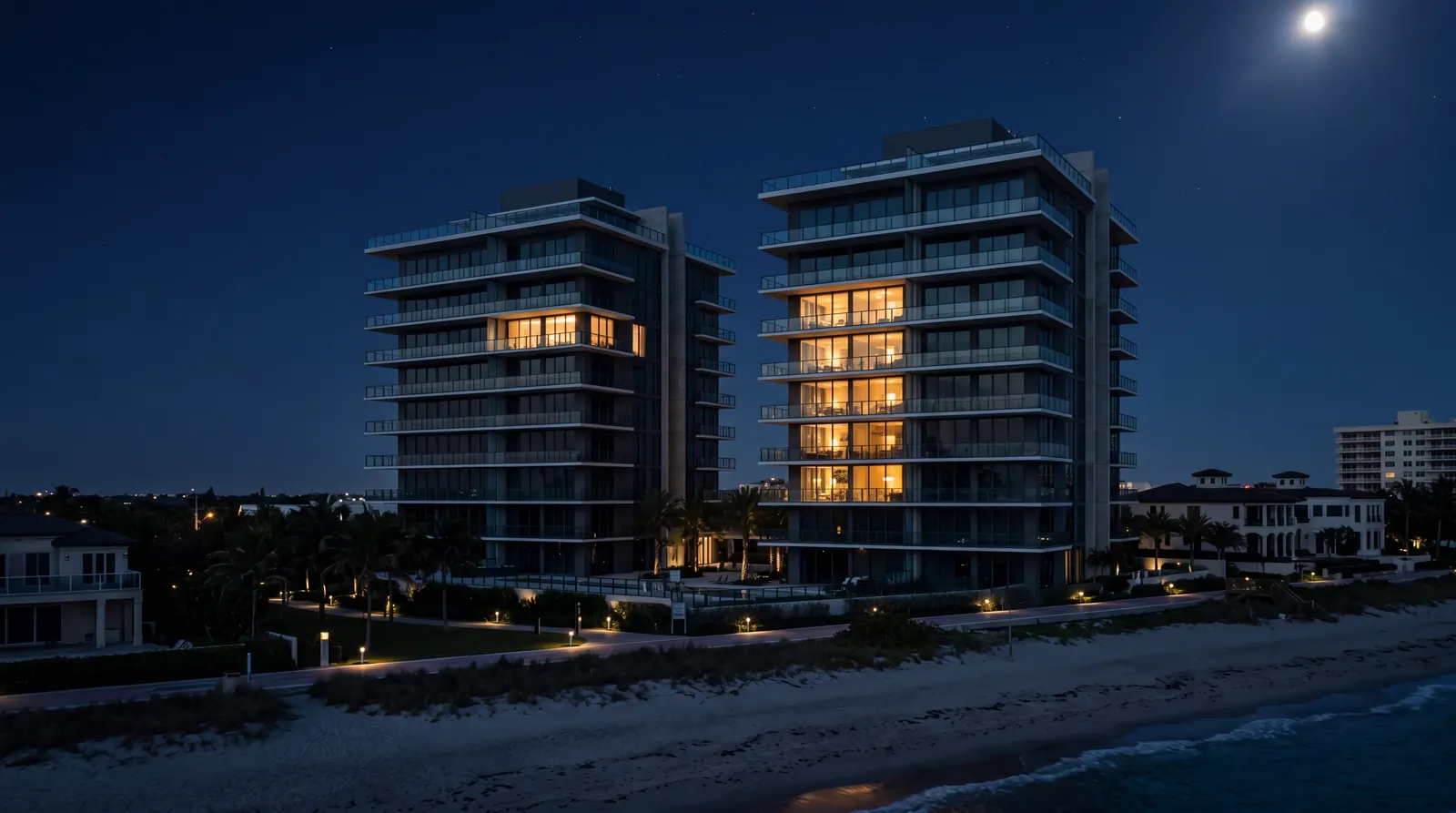
Halo detected a leak in Unit 1408, water main, and shut off the water.
"This is the property manager. The leak started on 14 sometime over the weekend. We're now opening walls on 12 and 13."
Building-wide coverage
Every unit, every floor, common areas and mechanical rooms.
24/7 phone support
Owners, guests, and staff all call one number: 844-873-4256.
Real-time alerts
The right person gets the alert with the exact unit, room, and placement.
Wireless and long-lasting
Up to 10-year sensor battery life. Retrofit-friendly, no resident Wi-Fi needed.
Installed and serviced in Florida condominium communities since 2015




Concrete construction that kills Wi-Fi
South Florida's coastal towers block wireless signals. Most retrofit systems fail before they reach the middle units on a floor — no spare conduit, no way to run new wire.
Halo runs on its own private long-range network installed by Halo technicians — designed to pass through concrete. No resident Wi-Fi, no cellular dependency.
The toughest insurance market in America
Carriers distinguish sharply between sudden, documented water damage and gradual leaks they can deny. South Florida boards face this scrutiny more than any other market in the country.
Every detection, valve closure, and device-health event is time-stamped and logged in the Halo Portal, exportable for insurers, engineers, and owners. Some carriers offer credits for automatic shutoff systems.
For South Florida towers
Retrofit protection for concrete high-rises.
In Miami, Fort Lauderdale, and Pompano Beach, a board may need to protect hundreds of units without asking residents to install an app or share their home network. Concrete construction, tight risers, and limited access to occupied units make a building-wide retrofit different from a single-family alarm.
Halo's private long-range network is designed for that environment. Technicians coordinate floor-by-floor access, install sensors at likely failure points, and connect automatic valves to unit supplies. The result is a system the association can operate centrally, with a time-stamped record for the property manager, engineer, and insurance team.
No resident Wi-Fi
Coverage does not depend on each owner configuring a separate network.
Board-ready records
Export detection, shutoff, and device-health events for review.
Unit-level isolation
Close the affected unit's supply while the rest of the building stays online.
Protection for South Florida towers
A concrete-building retrofit that gives the board one view of every water event.
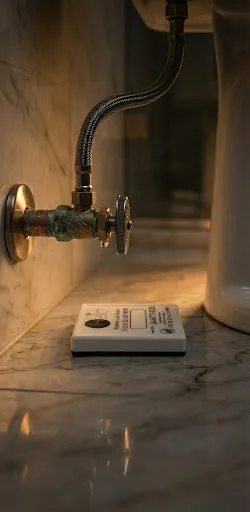
Detect and respond
Catch moisture in bathrooms, kitchens, and mechanical spaces before it travels through a high-rise.
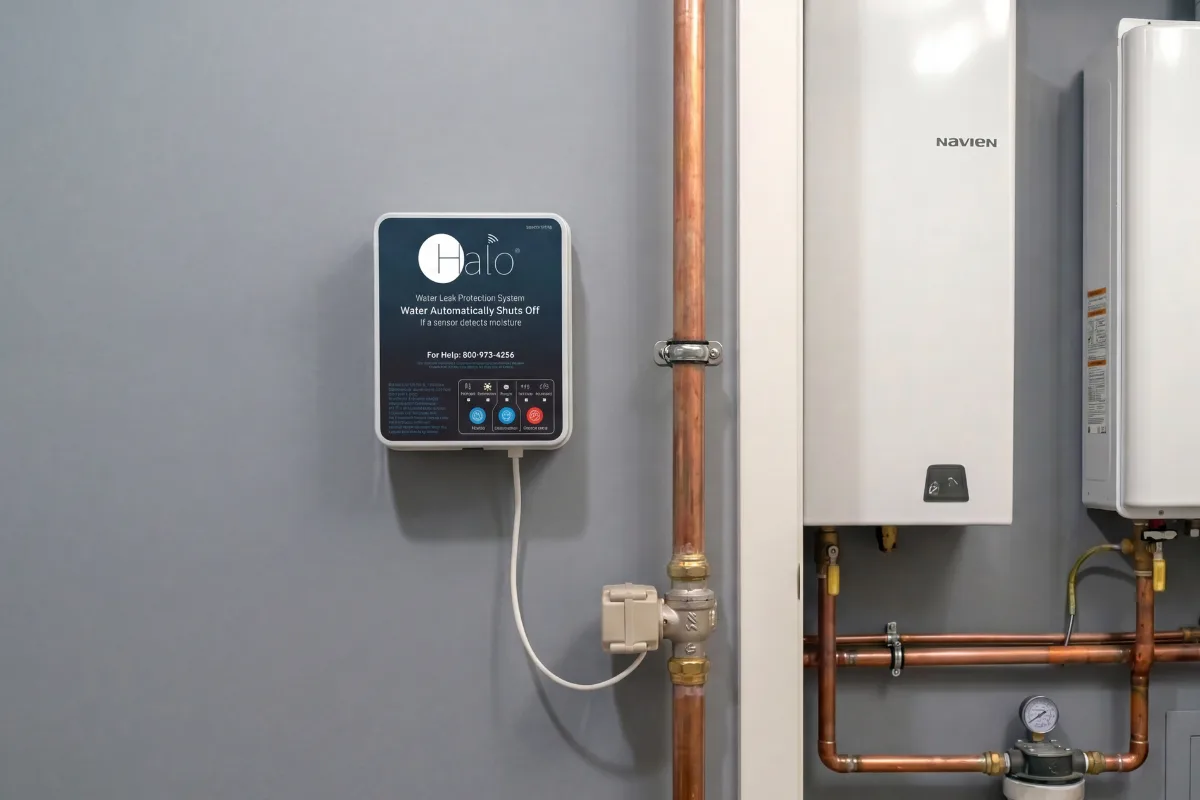
Instant action
Close only the affected unit's supply so a response does not become a building-wide interruption.

Keep everyone informed
Give managers and insurers a precise timeline of detections, valve actions, and device health.
Halo adapts to fit the needs of your community

Move from hidden leaks to early, room-level response
Get a precise alert across every unit and floor the moment water appears, so your team responds faster and damage is contained before it spreads.
Faster response
Pinpoint the exact unit, room, and sensor in seconds
Automatic shutoff
Close the affected unit's supply line without waiting for staff
Audit-ready history
Every alert and status change is logged in the portal
Get protected in about a week
Install Halo network
Technicians set up a long-range wireless network to connect Halo devices property-wide and install sensors in common areas.
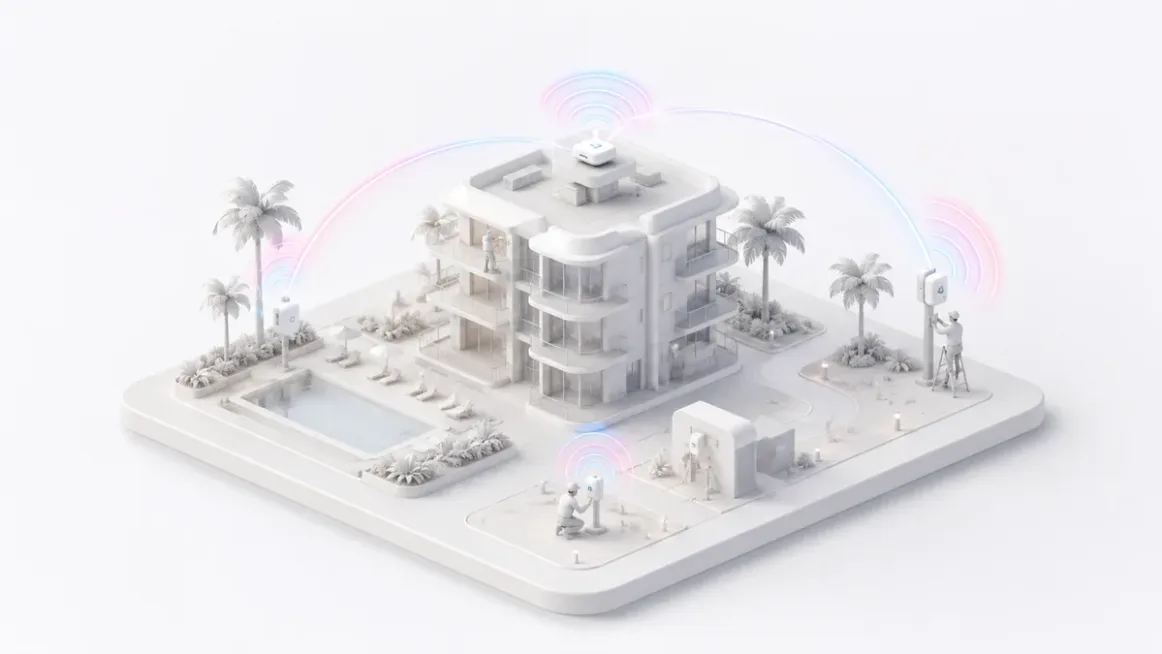
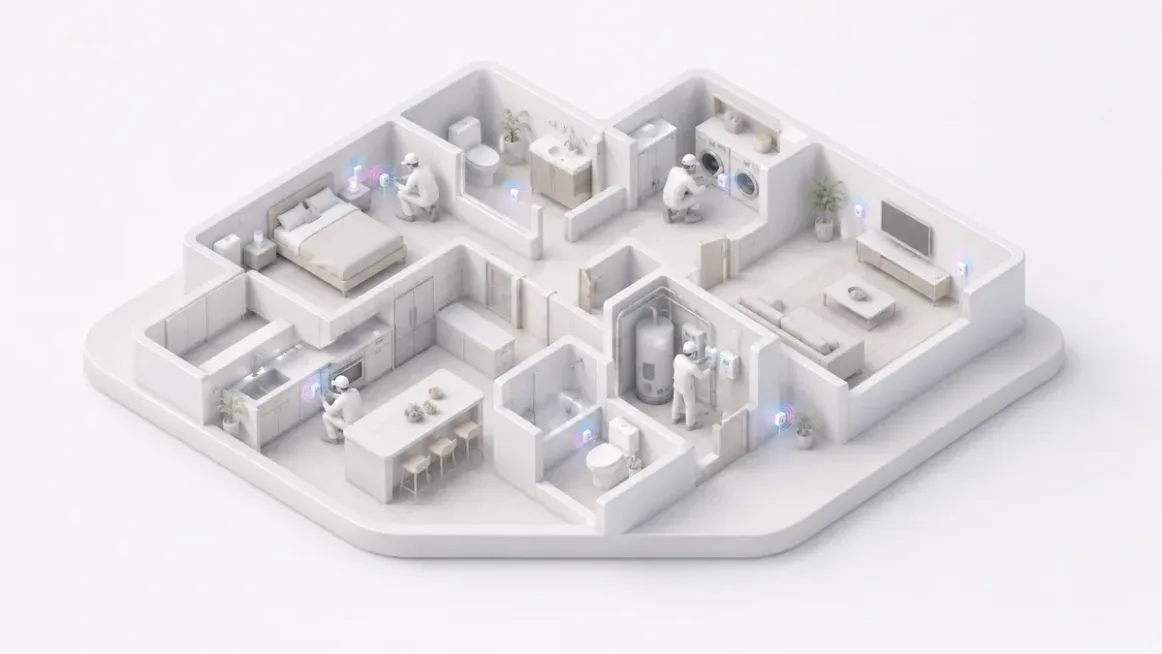
In-unit installation
Technicians visit each unit to install leak sensors and optional shut-off controls. Each visit typically takes 15–20 minutes, with teams completing about 20–30 units per day. Units that cannot be accessed are logged for follow-up.
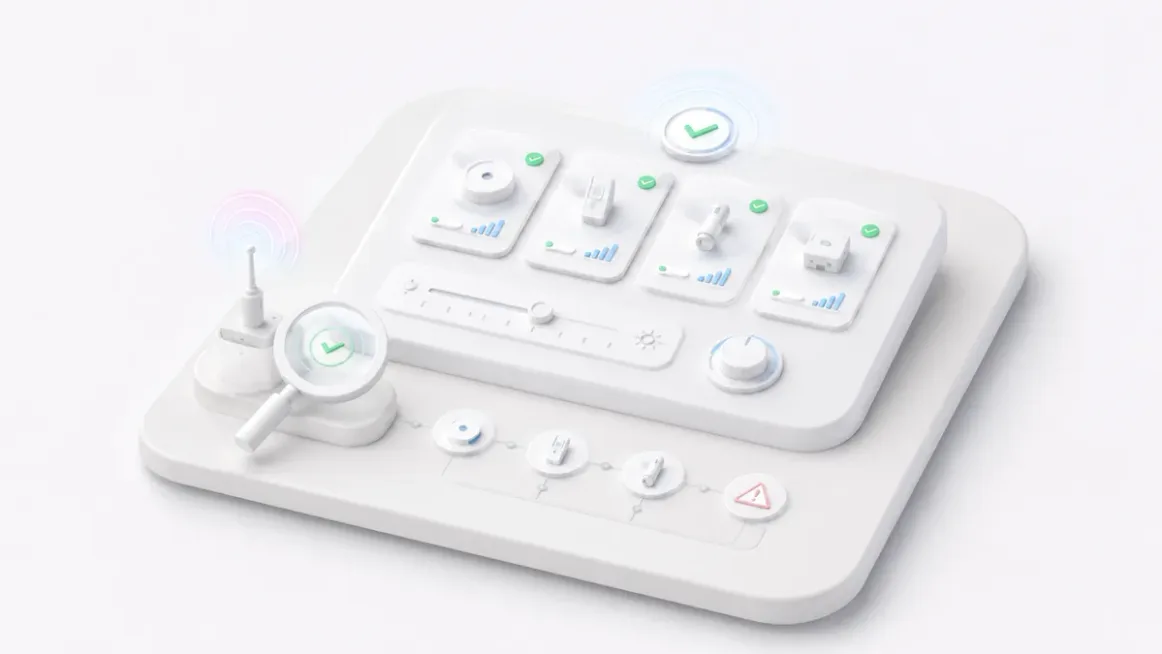
System validation
We confirm devices are checking in, adjust sensitivities, and resolve exceptions. We also catch up on any units missed earlier.
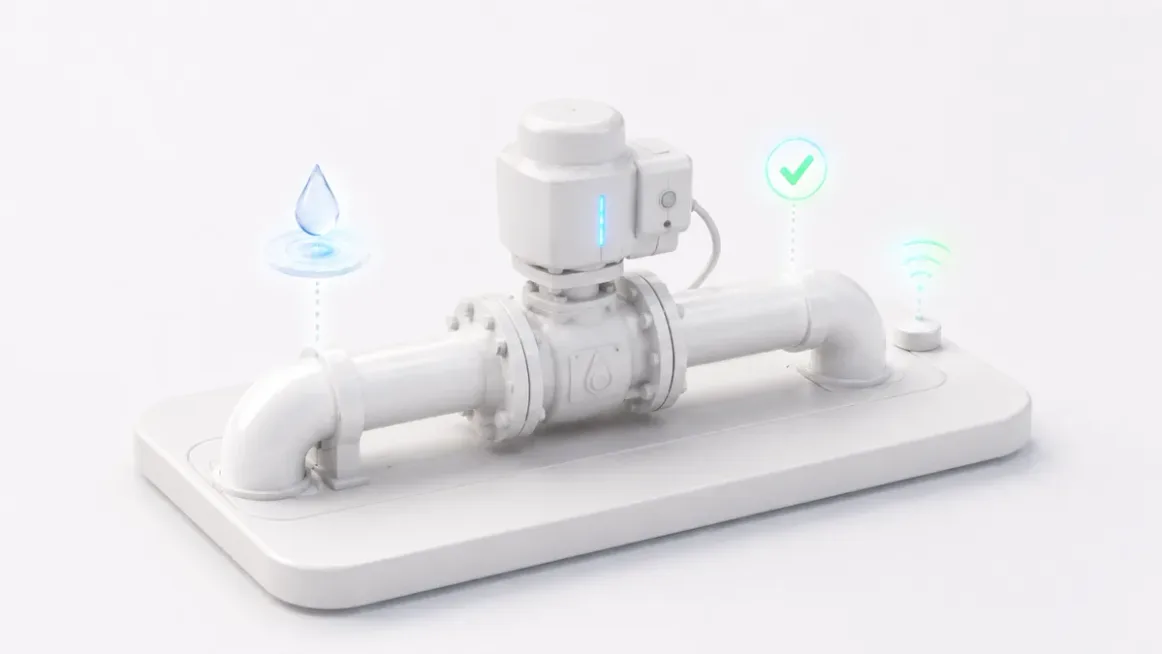
Plumbing
A plumber installs valve bodies while technicians verify signal quality across the property. We finish with staff training, a final walkthrough, and handoff to your team.
FAQ
Does Halo need resident Wi-Fi to work?
No. Halo runs on its own private long-range wireless network installed by Halo technicians, designed for concrete buildings. It does not depend on owner Wi-Fi, cellular coverage, or resident accounts.
How disruptive is installation in an occupied building?
Installation follows a planned floor-by-floor sequence with resident notices ahead of each phase. Sensors attach with adhesive and hubs plug into existing outlets; only valve tie-ins require a licensed plumber.
Does shutting off one unit's water affect the rest of the building?
No. Halo isolates the specific unit where the leak was detected; water service everywhere else continues.
How does Halo help with insurance documentation?
Every detection, valve closure, and device-health event is time-stamped and logged in the Halo Portal, giving boards an exportable record for insurers, engineers, and owners.